DIY Hydraulic Hose Repair
A broken hydraulic hose can stop your work. Don’t worry. You can often fix it yourself. DIY repair saves time and money. This guide will show you how. It is simpler than you think.
Gather Your Tools and Parts First.
You will need a few key items. Get a replacement hose. Ensure it is the correct type and length. You will need hose crimp fittings. These are essential for a secure connection. Have a hose crimper ready. This tool creates a permanent seal. Don’t forget a tape measure and a utility knife. Safety gear like gloves and goggles is a must.
Identify and Measure the Old Hose.
Start by locating the broken hose. Check its connections carefully. Look for part numbers on the hose. This can help you find an exact match. If not, measure the hose length accurately. Measure its inner and outer diameter too. Note the fitting types on both ends. This information is crucial for buying the right parts.
Select the Correct Replacement Hose.
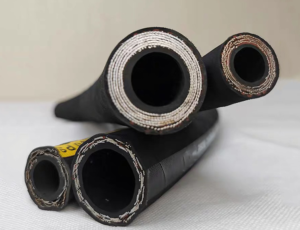
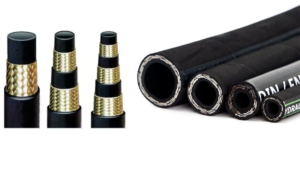
Choose a hose designed for hydraulic systems. It must handle high pressure. Look for SAE-rated hoses. They guarantee quality and performance. The hose should have a rubber core. It must be compatible with your fluid, like oil or water. A steel wire reinforcement layer adds strength. A synthetic rubber outer layer resists oil and weather.
Assemble Your New Hose.
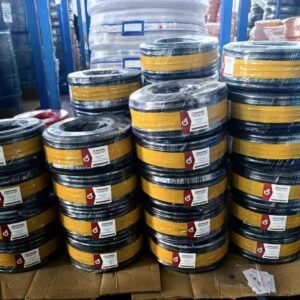
Cut your bulk hose to the required length. Use a sharp utility knife for a clean cut. Make sure the ends are straight. Select the right crimp fittings for your hose ends. Follow the crimper manufacturer’s instructions closely. Insert the fitting into the hose end. Place the assembly into the crimper. Activate the tool to secure the fitting. Repeat for the other end.
Install the New Hose.
First, relieve all system pressure. Clean the connection points on your machine. Carefully thread the new hose into place. Do not cross-thread the fittings. Tighten them according to the recommended torque specification. A proper seal is vital for preventing leaks.
Check Your Work.
Do a final visual inspection. Ensure the hose is not twisted. Look for any obvious issues. Then, start the hydraulic system slowly. Check for leaks at both connection points. Operate the system through its full range. Watch the hose under pressure to confirm it holds. Your repair is now complete.
Doing it yourself is empowering. You keep your equipment running. Always prioritize safety. Use high-quality parts for a reliable repair.