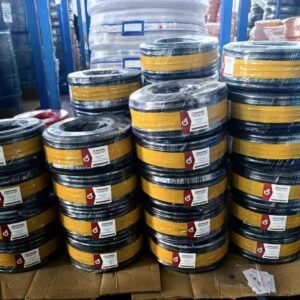
How to Replace a Hydraulic Hose
A broken hydraulic hose can stop your work. Replacing it is a straightforward job. You can do it yourself with some care. This guide will show you the steps. Always put safety first.
Gather Your Tools and Materials
First, collect all necessary items. You will need a new hose. Ensure it matches the old one’s specifications. Our hoses are SAE-rated for quality. You will also need wrench sets. These help loosen fittings. Have a drip pan ready to catch fluid. Wear safety glasses and gloves. Clean rags are useful for spills.
Release System Pressure
Never work on a pressurized system. Start by turning off the equipment. Shut down the hydraulic power source. Move the control lever back and forth. This action relieves trapped pressure. Use the drip pan to catch any fluid that leaks out.
Remove the Old Hose
Locate the damaged hose. Identify its connection points. Use your wrenches to loosen the fittings. Turn them counterclockwise. Do not force them if they are stuck. A little penetrating oil can help. Once loose, carefully remove the hose. Direct any remaining fluid into the drip pan.
Prepare the New Hose
Inspect your new replacement hose. Check its length and diameter. Ensure it has the correct ends. Our hoses often interchange with major brands. This makes finding a match easy. Make sure the hose is clean inside and out.
Install the New Hose
Position the new hose in place. Do not twist it sharply. Start threading the fittings by hand. This prevents cross-threading. Then, use your wrenches to tighten them. Follow the recommended torque specifications. A secure connection is vital. It must not leak.
Check Your Work
After installation, you must check for leaks. Turn the hydraulic system back on. Run it at a low pressure first. Look closely at the new connections. Do you see any fluid seeping out? If you find a leak, turn off the system. Tighten the fitting a little more.
Clean Up and Test
Wipe away any spilled hydraulic fluid. Properly dispose of the old hose and used fluid. Once everything is clean, perform a final test. Operate the machinery normally. Watch the new hose under full pressure. It should perform just like the original.
You have now successfully replaced the hydraulic hose. Regular inspection helps prevent sudden failures. Always use high-quality hoses for the best performance. Our products offer excellent strength and oil resistance. They are built to last.