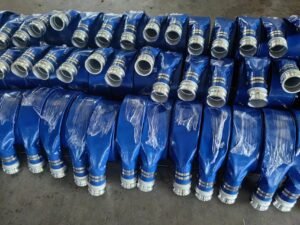
How Choose PVC Layflat Hose
Selecting the right PVC layflat hose is crucial. It ensures efficient water transfer and long service life. This guide will help you make the best choice. We break down the key factors into simple steps. Follow these recommendations for your project.
Know Your Water Source
First, identify what you will pump through the hose. Will it carry clean water, muddy water, or mild chemicals? PVC layflat hoses typically handle fresh water, wastewater, and some fertilizers. Avoid using them for fuels or strong chemicals. The hose lining must be compatible with your liquid. Choosing the wrong type can cause damage or failure.
Check the Hose Diameter
Hose diameter directly affects water flow rate. A larger diameter moves more water in less time. Measure your pump outlet size. Match the hose inner diameter to this port. Common sizes range from 1 inch to 12 inches. Bigger agricultural or construction jobs need wider hoses. Smaller gardens or pools work well with narrower options.
Consider Working Pressure
Every hose has a maximum pressure rating. Know your system’s operating pressure. Choose a hose whose rated pressure exceeds this number. This prevents bursts and leaks. Reinforced hoses with mesh or polyester yarn handle higher pressures. Lightweight models suit low-pressure tasks like drainage or irrigation.
Evaluate Hose Length
Measure the distance between your water source and delivery point. Add some extra length for curves and slopes. A hose that is too short will not reach. One that is too long can reduce water pressure and is harder to store. PVC layflat hoses are flexible and come in long coils. You can often cut them to your needed length.
Look at Reinforcement Material
The hose strength comes from its reinforcement layer. Most hoses use polyester mesh or spiral yarn. This layer sits between the inner PVC tube and outer cover. It provides burst strength and flexibility. Heavy-duty tasks require stronger reinforcement. Check the product specifications for reinforcement type and density.
Assess the Outer Cover
A good outer cover protects the hose. It resists abrasion, sunlight, and weather. Look for UV-resistant PVC compounds. This prevents cracking in the sun. Some covers have smooth surfaces. Others have textured patterns for better grip and durability. The cover should be tough enough for your environment, like rocky ground or concrete.
Match the Fittings
Hoses need proper fittings to connect to pumps and taps. Ensure the hose ends fit your equipment threads. Common fittings include camlock, threaded, or quick-release types. You can often buy hoses with fittings attached. You can also attach them yourself with hose clamps or stainless steel collars. Secure connections prevent leaks and pressure loss.
Compare Flexibility and Weight
A good layflat hose is easy to handle. It should be lightweight and flexible when full. It must also flatten completely when empty for compact storage. Test the hose material by bending a sample. Stiff hoses are harder to deploy and roll up. Flexible hoses save time and labor, especially for frequent moves.
Understand Temperature Range
PVC has a specific temperature tolerance. Most hoses work in 0°C to 60°C (32°F to 140°F) water. Very cold water can make PVC stiff. Hot water can soften it. Know your water temperature. Choose a hose rated for that range to maintain performance and safety.
Look for Certifications
Quality hoses meet industry standards. Look for marks like ISO, SAE, or FDA (for drinking water). These confirm the hose is tested for safety and performance. Certified hoses often last longer and are more reliable. Avoid uncertified products for critical applications.
Consider Your Budget
Prices vary with quality and features. Balance cost with your needs. Buying a very cheap hose might lead to early replacement. Investing in a durable hose saves money long-term. Consider how often you will use it. For occasional use, a standard hose may suffice. For daily professional use, choose a commercial-grade product.
Review Storage and Care
Even the best hose needs proper care. After use, drain it completely. Flatten it and coil it loosely. Store it in a cool, shaded place away from sharp objects. Keep it away from oils and chemicals. Regular cleaning prevents clogs and material degradation. Good care extends hose life significantly.
Choosing a PVC layflat hose is straightforward. Focus on your specific job requirements. Match the hose to your water type, pressure, and distance. Check its construction and certifications. A correct choice ensures efficient water transfer, safety, and value. Use this guide to find your perfect hose solution.