
How to Produce Hydraulic Hose
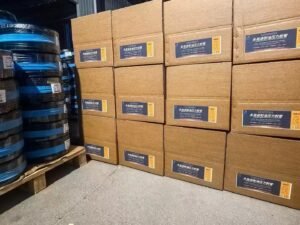 This hose must handle high pressure and resist wear. Let’s look at how manufacturers build a reliable hydraulic hose.
First, the inner tube is created. This tube is the core of the hose. It is typically made from synthetic rubber. This material is chosen for its compatibility with fluids. It works well with petroleum-based oils and water. The tube must be smooth. This allows fluids to flow easily without restriction.
Next, a reinforcement layer is added. This layer gives the hose its strength. Manufacturers use high-tensile steel wire for this. The steel wire is wrapped or braided around the inner tube. This structure is crucial. It prevents the hose from bursting under high internal pressure. It also adds to the hose’s flexibility and durability.
Then, an outer cover is applied. This layer protects the hose from the environment. It is made from tough, synthetic rubber. This material resists oil, abrasion, and weather. The cover shields the inner steel reinforcement from damage. It ensures the hose lasts a long time, even in harsh conditions.
After the layers are assembled, the hose goes through vulcanization. This is a heating process. It cures the rubber and bonds all the layers together. Vulcanization makes the hose strong and stable. It ensures the hose will keep its shape and properties under stress.
Quality control is a vital step. Every hose must meet strict industry standards. Manufacturers perform many tests. They check for pressure ratings and material integrity. They ensure the hose is safe and reliable for its intended use. Most hoses receive an SAE rating to confirm their quality.
Finally, the hose is cut to specific lengths. It is then prepared for shipping. Customers can buy it in bulk. They can also attach their own fittings. Special crimp fittings are often used. These create a secure, leak-proof connection for hydraulic systems.
Producing a hydraulic hose is a precise science. It combines advanced materials with skilled manufacturing. The result is a powerful component. It is essential for machinery in construction, agriculture, and many other industries.